


When you start designing a room, it’s tempting to jump straight to the fun stuff — flooring samples, tile, paint colors, Pinterest boards filled with beautiful kitchens and bathrooms. And I get it. That part is exciting.
But if you want a space that feels cohesive, timeless, and truly well-designed, there’s one step that has to come first — and it’s the step most people skip.
Before you choose any new finishes, you need to take a good look around and ask one simple question:
What is already here, and what is staying?
Start With What You Can’t Change
Every room has fixed elements — or at least elements that aren’t being replaced. Existing hardwood floors, tile, stone, cabinetry, trim, or architectural details all matter. These are not obstacles; they are your starting point.
Anything new you bring into a space has to coordinate with what’s already there. Wood tones, undertones in tile, warmth or coolness in existing materials — all of it plays a role. Ignoring these elements is one of the fastest ways to end up with a room that feels disjointed, even if every individual choice is beautiful on its own.
Good design isn’t about forcing something new into a space. It’s about responding to what already exists.
Look Beyond the Room You’re Designing
The next step is one people rarely think about, but it’s just as important: look at the rooms next to it.
What colors are nearby?
What’s the overall style of the home?
Is there a consistent tone or mood that should carry through?
Designing in isolation is a common mistake. A kitchen, bathroom, or living room should never feel like it belongs to a completely different house. Flow matters — visually and emotionally. When rooms relate to one another, a home feels intentional and calm rather than jarring or chaotic.
Build Your Mood Board the Right Way
These two things — what’s staying and what’s nearby — should be the very first elements you add to your mood board or design plan.
Not the tile.
Not the wallpaper.
Not the “dream kitchen” you saved on Pinterest.
Once you’ve grounded your design in what already exists, everything else becomes easier. New selections start to make sense. Choices feel more confident. And you’re far less likely to second-guess yourself halfway through a project.
Then You Get to Have Fun
After you’ve established your foundation, then it’s time for inspiration. This is when Pinterest becomes a helpful tool instead of a confusing one. You can search for spaces with similar colors, materials, or layouts and see how others have layered in finishes successfully.
At that point, you’re not just copying what looks good — you’re making informed decisions that actually work in your home.
A Real-Life Case Study: Designing With What’s There
I recently saw this kitchen by Lone Fox Home, and it is the perfect example of exactly what I’m talking about.

See the full kitchen project here.
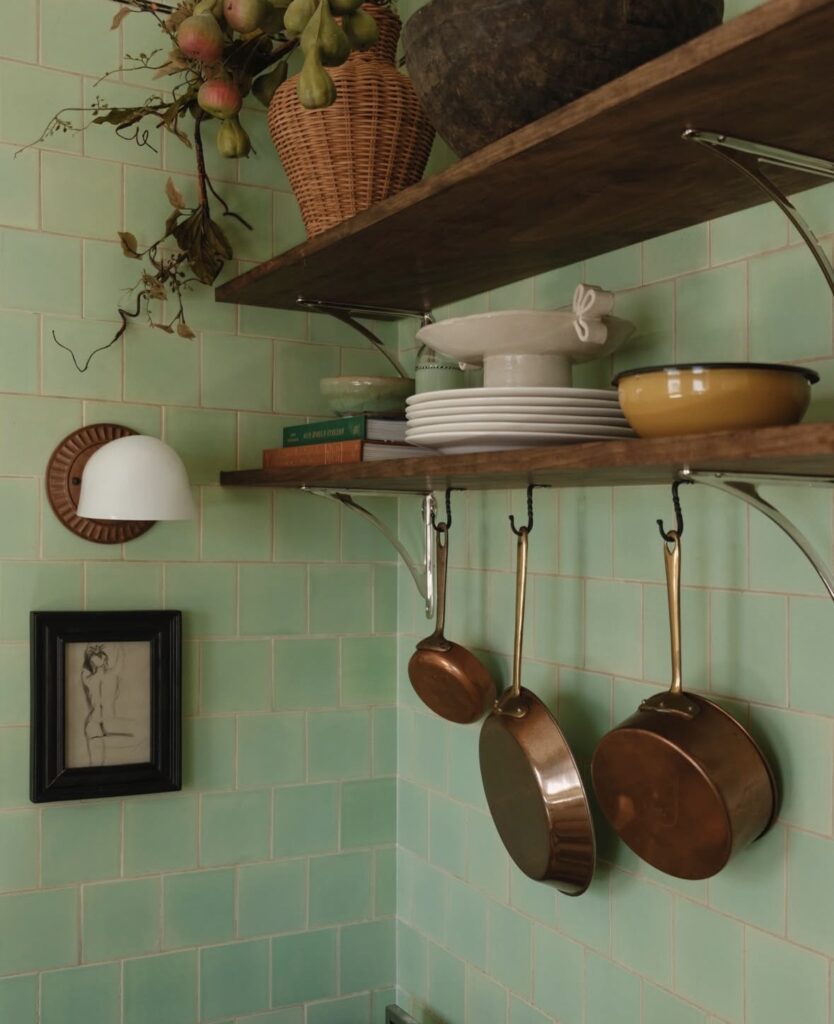
If you’ve seen his primary kitchen, you know his style — dark, rich colors, a moody, layered vibe. When he began renovating a second kitchen in the same home, the goal was to bring that same feeling into the space. The challenge? Several elements were staying — yellow countertops, green tile, and portions of black trim.
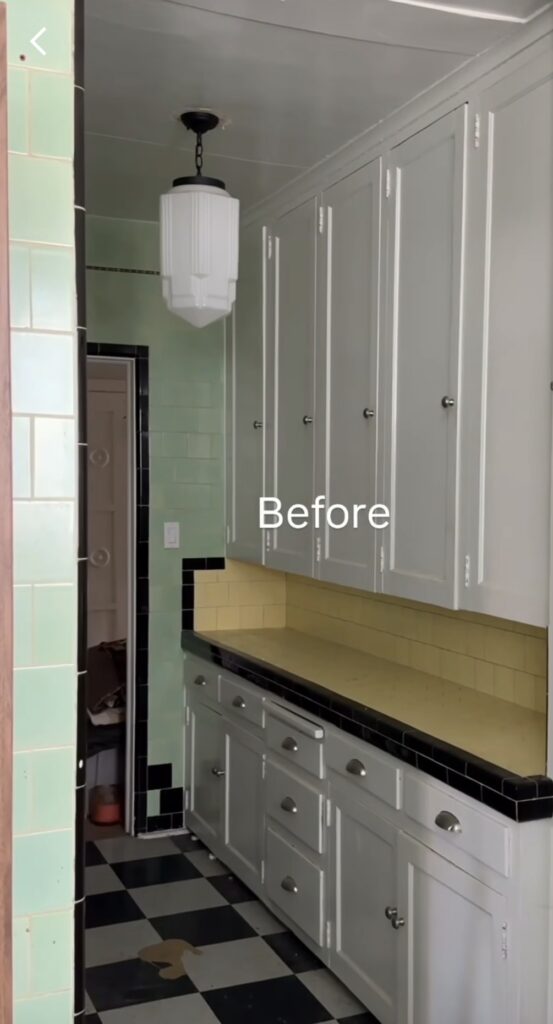
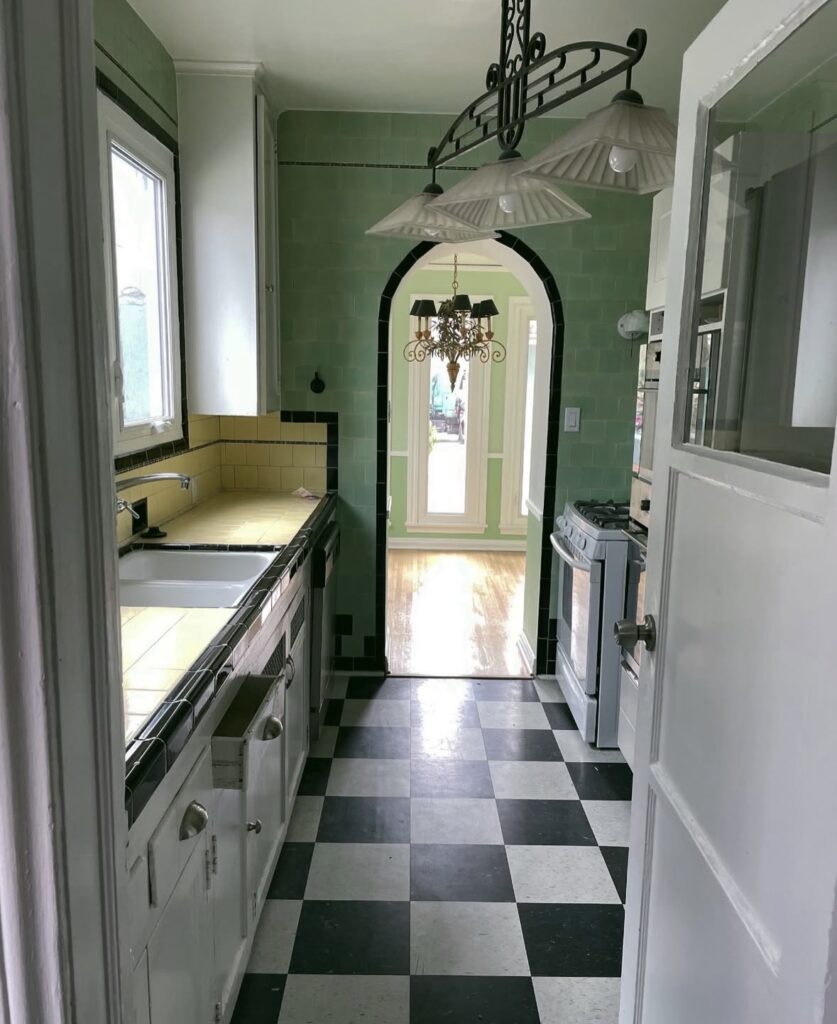
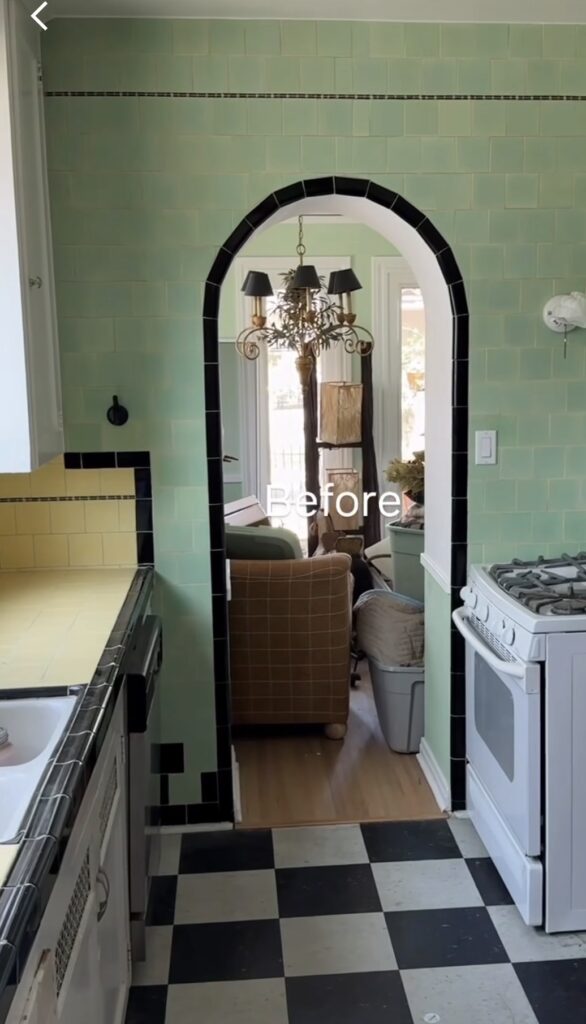
At first, he tried to fight against what was already there by painting the cabinets a deep, moody color. And it didn’t work. The room felt off, because the new choices were competing with the existing materials instead of working alongside them.
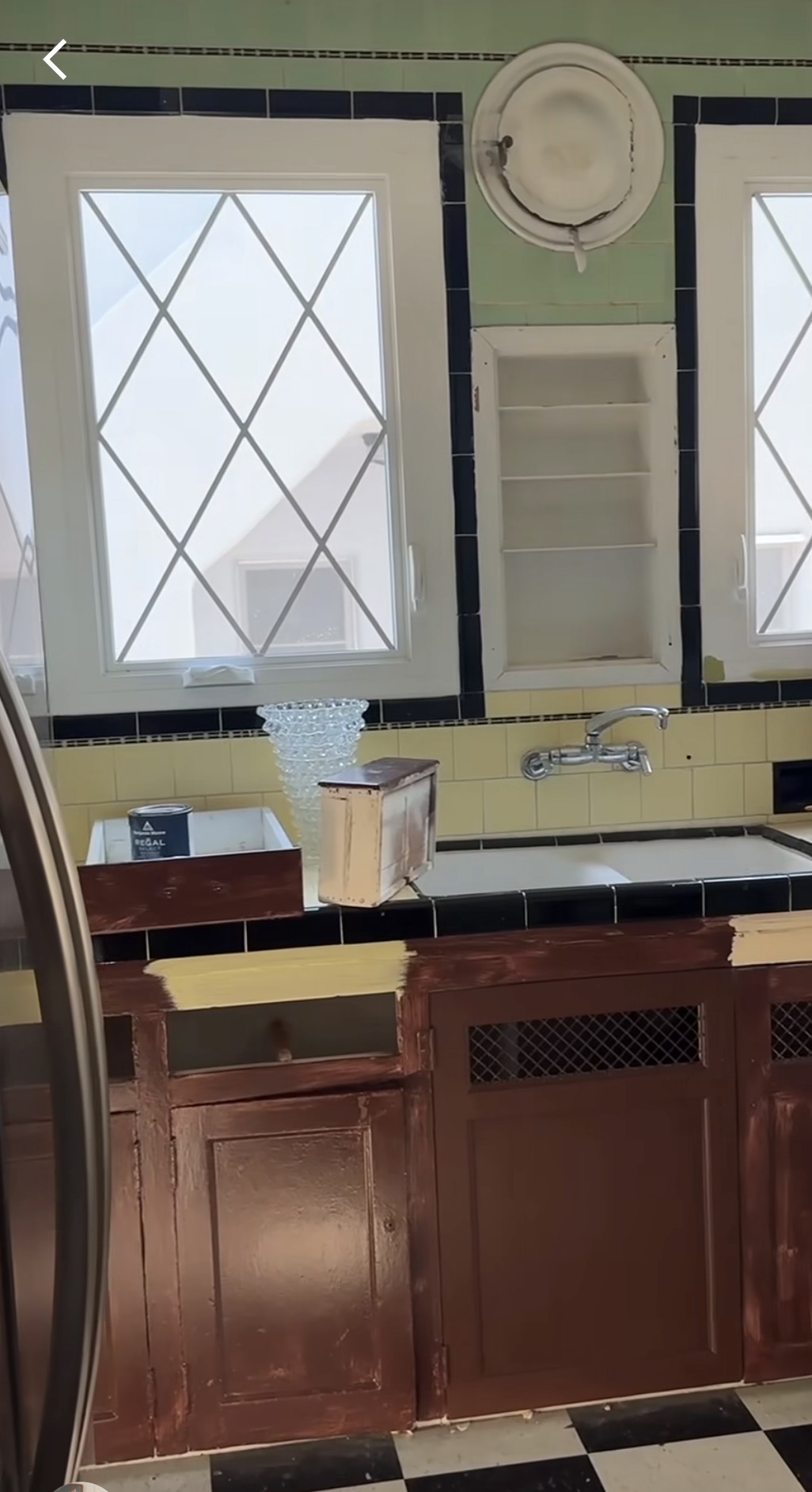
The turning point came when he leaned into the yellow — even though he openly admitted it wasn’t his favorite color. That creamy yellow cabinet color ended up absolutely nailing it. Once he accepted what was staying, everything else clicked into place.
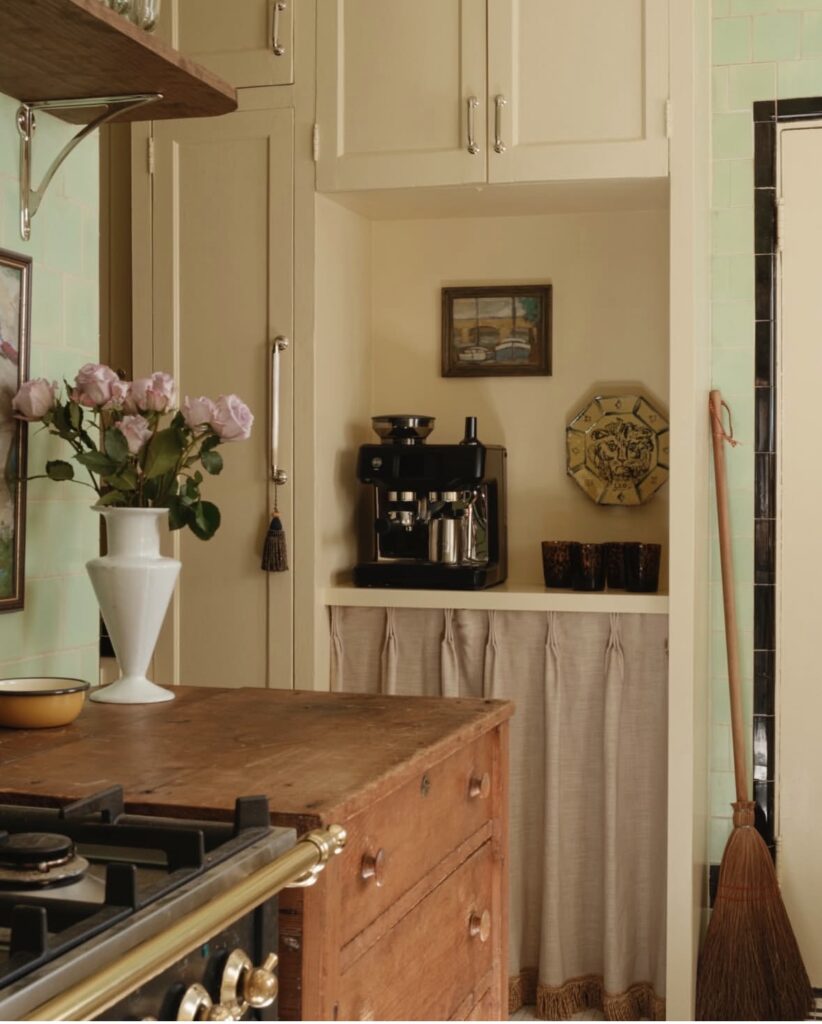
He was still able to bring his design style into the space through other decisions: an unfitted range wall with a European-style range, butcher block countertops, thoughtful styling, and even a retro-inspired floor tile that feels completely intentional.
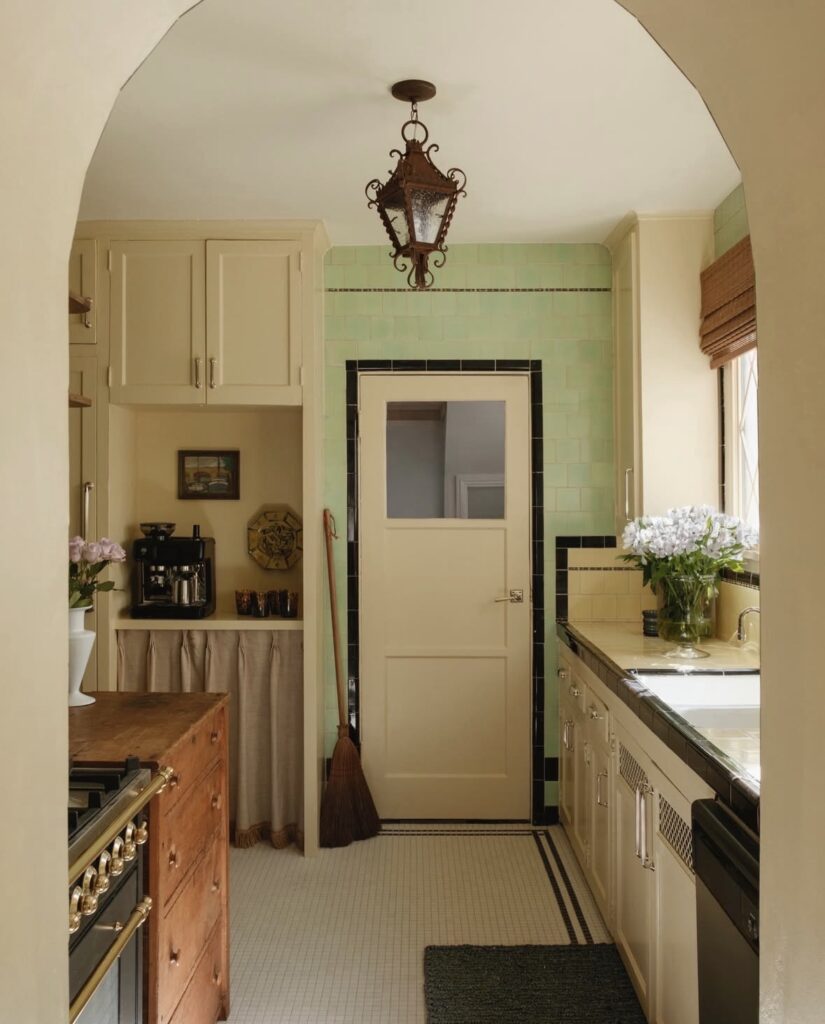
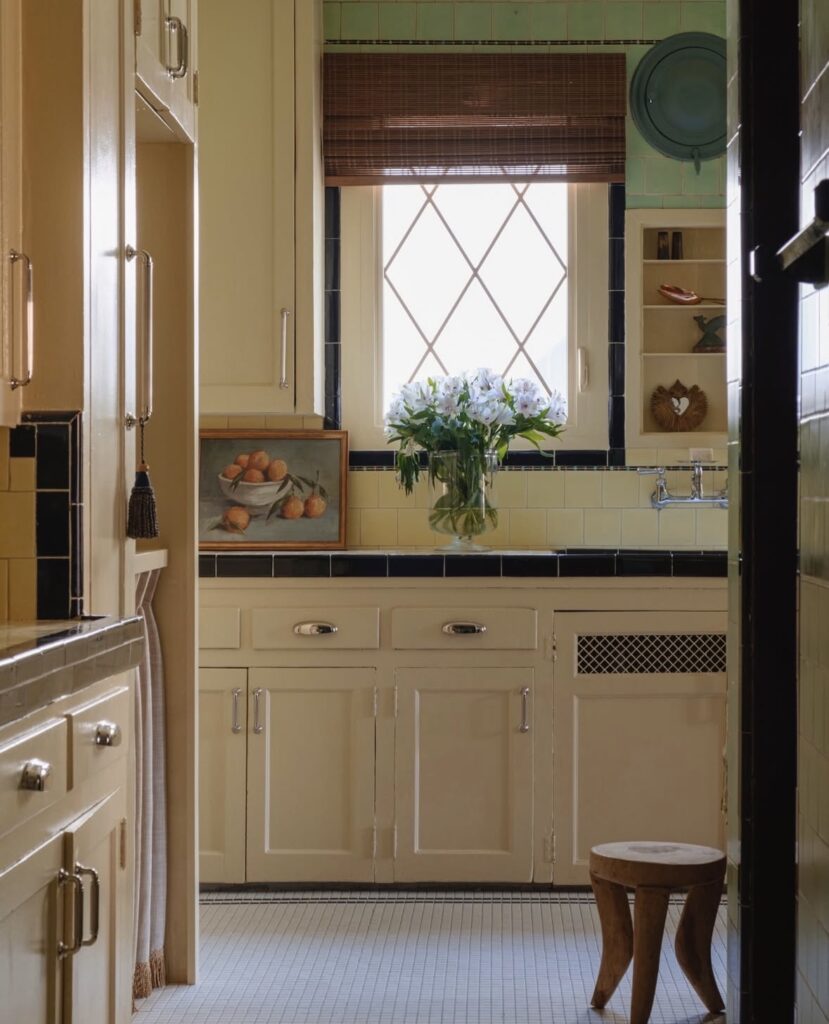
The result is a kitchen that feels fresh and updated — new hardware, new paint, new appliances — but also like it’s always belonged there. It doesn’t feel forced or overcorrected. It feels right. Almost as if that’s how the kitchen was meant to be all along.
And that’s the power of designing with what exists, not against it.
Why This Approach Creates Timeless Design
When a room is designed around what already exists, it naturally feels more cohesive and less trend-driven. That’s how you avoid spaces that feel dated quickly or disconnected from the rest of the house.
So before you decide what you want your kitchen, bathroom, or living room to look like, pause and take stock of what’s already there. That step alone can make the difference between a home that feels thoughtfully designed and one that feels like a collection of unrelated choices.
And honestly?
That’s where the best design always begins.




LEAVE A COMMENT
View Comments